by Connie Cortight
 |
| Photo taken from Wikicommons |
Last week our guest author introduced us to the Federal Writer's Project started in the 1930s during the Great Depression. That was one of New Deal programs instituted by President Roosevelt in an attempt to hire millions of unemployed men and women across the country during those years.
Since so many workers had lost their jobs, Roosevelt used his executive power to institute programs using federal tax dollars to find work for them. His thinking was that if these unemployed people went back to work, they would spend their money and bring the economy back from the depression. Sound familiar?
All these programs with their descriptive names ended up looking like alphabet soup when they were named. Some of the programs lasted only for a limited time until their purpose was completed. Here are a few of those:
CCC - Civilian Conservation Corps- Undertook conservation projects across the country including planting 3 billion trees in parks or federal land. They carved out the hiking trails in many of the national parks that are still used by people visiting these parks today.
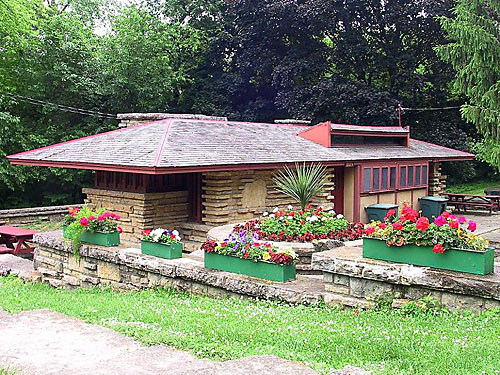
WPA - Works Progress Administration - Hired up to 20 million people doing public projects across the country such as building high schools, parks, etc.
REA - Rural Electrification Administration - Installed poles and wires to bring electricity to farmers living out in the country. My dad experienced this when electricity was installed on the farm when he was a boy.
NRA - National Recovery Administration
NLB - National Labor Board
Many more programs were started in the 30s still exist in the government today such as:
TVA - Tennessee Valley Authority - Bringing soil conservation and supply hydro-electric power to the people in the Tennessee Valley.
FCC - Federal Communications Commission - They've been trying to regulate programs on radio stations.
 NLRB
NLRB - National Labor Relations Board - They've been in the news in the last couple years with their process of selecting members of the board.
RRB - Railroad Retirement Board - This could probably be disbanded.
USHA - US Housing Authority
FCIC - Federal Crop Insurance Corp. - This one probably could be disbanded also.
SSA - Social Security Administration - We all are well acquainted with this one.
SEC - Securities and Exchange Commission - They've been in the news lately also.
Roosevelt's New Deal did bring jobs to millions of people who were out of work during the Great Depression, but it also expanded the scope of the US Government giving it power it had never had before. The government has not gone back to its pre-Roosevelt size since then.
I will commend President Roosevelt for getting all those people back into the work force, at least. Today the government gives them paychecks to stay home and watch TV, or whatever. They don't even try to get jobs when "Now Hiring" signs are posted in so many windows around town these days. It would be interesting to see what would happen if they were required to work.
Information taken from
Periodic Table of Programs Click on the link to find a chart of all the New Deal Programs.

 The WPA put up money for the communities to build their band shells in parks. Cities from Daytona Beach, Florida to Johnstown, Pennsylvania to San Diego, California took advantage of these funds and built band shells in their towns.